
Shenshi Hydrogen Heater for Fuel Cell: A Case Study in Automotive Innovation

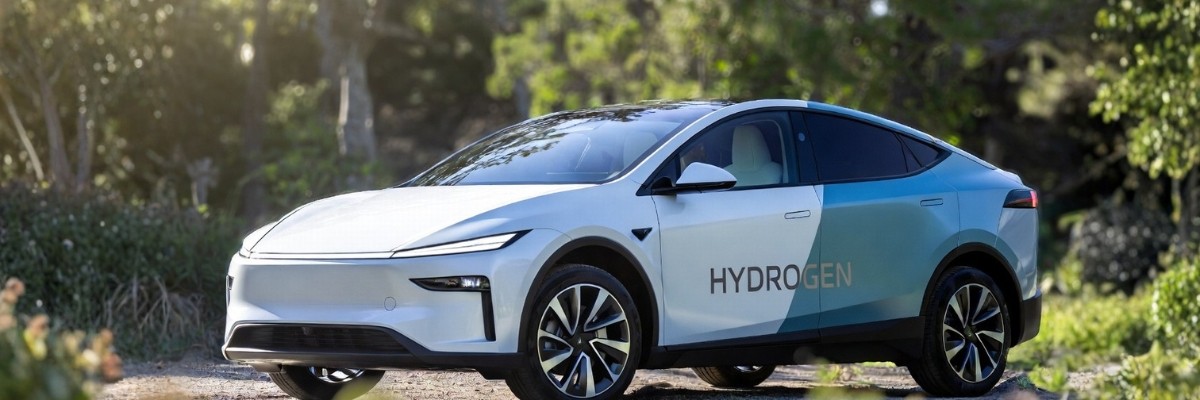
PFHE for Fuel Cell: Shenshi's Advanced Thermal Management Solution Drives Automotive Innovation
The global push for sustainable transportation has accelerated the adoption of fuel cell electric vehicles (FCEVs). These vehicles, powered by hydrogen, promise zero emissions and a greener future. However, ensuring their optimal performance, especially in diverse weather conditions, presents significant engineering challenges. A critical factor is the operational temperature of the hydrogen fuel cell, as it directly impacts efficiency, reliability, and longevity. This case study explores how Shenshi's custom-engineered PFHE (Plate-Fin Heat Exchanger) fuel cell heater provided a pivotal solution for a major automotive manufacturer, enabling a large-scale deployment of 13,000 vehicles in their latest FCEV fleet.
The Challenge: Optimizing Fuel Cell Performance in Demanding Automotive Environments
An effective thermal management strategy is paramount for any automotive fuel cell system. Without it, performance can degrade substantially, particularly in colder climates. This was the core challenge facing Shenshi's client—a globally recognized leader in the automotive industry—as they prepared for a major production run of their flagship FCEV model.
Client Profile: A Pioneer in Sustainable Mobility
The client is renowned for its commitment to pioneering next-generation sustainable vehicles. With a strategic focus on FCEV technology as a cornerstone of their zero-emissions roadmap, they have invested heavily in developing vehicles that do not compromise on performance or reliability. As they prepared to launch their new flagship FCEV model with a planned production of 13,000 units, they encountered a critical hurdle related to the vehicle's hydrogen supply system.
Application Requirements: Gas Heater for Fuel Cell Hydrogen Supply System
The specific application was a gas heater for the automobile fuel cell hydrogen supply system. The hydrogen stored in the vehicle's high-pressure tank must be precisely conditioned before it enters the fuel cell stack. In low ambient temperatures, the gas can become too cold, leading to several critical problems:
- Reduced Fuel Cell Efficiency: The electrochemical reaction within the fuel cell is highly temperature-dependent. Cold hydrogen gas can slow this reaction, reducing power output and overall vehicle efficiency significantly.
- Delayed Start-Up: In cold weather, the system would take significantly longer to reach its optimal operating temperature, resulting in frustratingly slow vehicle start-up times that could deter consumer adoption.
- Risk of Component Damage: Extreme cold can potentially damage sensitive fuel cell components, leading to costly repairs and compromising the long-term durability and reliability of the system.
With a planned production of 13,000 units destined for global markets with varying climate conditions, a reliable and scalable thermal management solution was not just a preference—it was an absolute necessity for the success of the entire FCEV program.
Shenshi's Solution: Custom 4KW PFHE Hydrogen Heater
To address this critical need, Shenshi developed a bespoke heating solution centered around a high-efficiency Plate-Fin Heat Exchanger (PFHE). This advanced hydrogen heater was meticulously designed to deliver precise thermal control, ensuring the fuel cell system could perform at its peak efficiency, regardless of the external environmental conditions.
Engineering Excellence: High-Efficiency PFHE Design
The chosen technology, a PFHE, was ideal for this demanding automotive application. Plate-fin designs are celebrated for their exceptional thermal performance packed into a compact and lightweight form factor—a crucial consideration for vehicle design where space and weight are at a premium. The final product was a powerful 4KW heater specifically tailored for the client's stringent requirements.
The design of this plate-fin heat exchanger involved a meticulous engineering process. The fin geometry, flow paths, and material selection were all optimized to ensure rapid and uniform heating of the hydrogen gas as it passed through the unit. The 4KW power rating was carefully calculated to provide sufficient heating capacity even in the coldest target climates, without drawing excessive power from the vehicle's electrical system.
Seamless System Integration
A successful component is one that integrates seamlessly into the larger system. Shenshi's engineers worked in close collaboration with the client's design team to ensure the 4KW hydrogen heater fit perfectly within the physical constraints of the fuel cell powertrain. This involved custom port configurations and mounting brackets designed for straightforward assembly line installation.
Beyond the physical fit, sophisticated control logic was developed. The heater was integrated with the vehicle's main electronic control unit (ECU) to activate intelligently. By monitoring ambient and gas temperatures in real-time, the system ensures the heater operates only when necessary, minimizing energy consumption and maximizing the vehicle's overall driving range. This smart integration was key to delivering a solution that was both effective and efficient.
Why PFHE Technology Excels in Automotive Applications
The selection of PFHE technology for this project was not arbitrary. Plate-fin heat exchangers have a proven track record in demanding industrial applications, including aerospace and cryogenics, where reliability and performance are non-negotiable. For automotive fuel cell systems, several factors make PFHE the ideal choice:
- Compact Design: The plate-fin architecture allows for maximum heat transfer surface area within a minimal volume, critical in automotive design where every cubic centimeter must be justified.
- Exceptional Thermal Efficiency: The intricate fin structures create turbulent flow patterns that enhance heat transfer coefficients, allowing rapid temperature response essential for cold starts.
- Lightweight Construction: Reduced weight directly improves vehicle energy consumption and extends driving range, key competitive advantages in the FCEV market.
- Superior Durability: Corrosion-resistant alloys ensure the heater can withstand harsh operating environments, including vibration, thermal cycling, and exposure to hydrogen gas over the vehicle's entire lifespan.
The Results: Enhanced Reliability and Performance for 13,000 Fuel Cell Vehicles
The integration of the custom PFHE fuel cell heater delivered immediate and measurable improvements, directly addressing the initial challenges and providing significant strategic value to the client.
Tangible Performance Gains
The primary goal was to enhance the real-world performance and reliability of the fuel cell vehicles. By pre-heating the hydrogen, the solution ensured the fuel cell stack consistently operated within its optimal temperature band. This led to significant gains in both efficiency and driver satisfaction.
Most notably, the solution drastically improved cold-weather performance. The vehicles could now start quickly and reliably, even in freezing conditions, providing a user experience comparable to that of traditional internal combustion engines. This reliability is a critical factor for driving widespread consumer adoption of FCEV technology.
Strategic Impact for the Client
The successful implementation of this heating solution had a profound strategic impact. It gave the client the confidence to proceed with the large-scale production of 13,000 FCEVs, knowing the vehicles would perform reliably in their global target markets, from freezing Nordic winters to temperate Asian climates. This project was a key enabler, allowing them to solidify their position as a leader in the highly competitive FCEV space and deliver on their promise of high-performance, zero-emissions mobility.
Beyond the immediate technical benefits, the project also demonstrated the value of collaborative engineering. The client's willingness to work closely with Shenshi from the early design stages through to production ensured that the final solution was not only technically sound but also practical and cost-effective. This partnership approach is increasingly important in the automotive industry, where the complexity of modern vehicles demands expertise from multiple specialized suppliers.
Market Context: The Growing Hydrogen Fuel Cell Industry
To fully appreciate the significance of this case study, it is helpful to understand the broader context of hydrogen fuel cell adoption in the automotive sector. FCEVs represent one of several pathways toward decarbonizing transportation, alongside battery electric vehicles (BEVs) and hybrid systems.
Advantages of Fuel Cell Electric Vehicles
Fuel cell vehicles offer several distinct advantages that make them particularly attractive for certain applications. Unlike BEVs, which require lengthy charging times, FCEVs can be refueled with hydrogen in just a few minutes, providing a user experience similar to conventional gasoline vehicles. This rapid refueling capability is especially valuable for commercial fleets, long-haul transportation, and consumers who require maximum flexibility.
Additionally, FCEVs typically offer longer driving ranges compared to many BEVs, particularly in cold weather where battery performance can degrade. The energy density of hydrogen, when properly stored and utilized, allows for extended range without the weight penalty of large battery packs. This makes FCEVs an ideal solution for larger vehicles, such as trucks and buses, where weight and range are critical considerations.
Market Growth and Future Outlook
The global market for hydrogen fuel cells is experiencing significant growth. According to industry reports, the market is projected to expand from approximately $5.1 billion in 2024 to $11.0 billion by 2029. This growth is driven by increasing government support for hydrogen infrastructure, advances in fuel cell technology, and growing awareness of the environmental benefits of zero-emissions vehicles.
Several countries, particularly in Asia, have made substantial commitments to hydrogen as a key component of their energy strategies. Japan and South Korea, for example, have deployed thousands of residential fuel cell systems and are actively promoting FCEV adoption through subsidies and infrastructure development. In Europe and North America, similar initiatives are gaining momentum, with major automotive manufacturers investing heavily in fuel cell research and production capacity.
Conclusion: The Critical Role of Thermal Management in Hydrogen Mobility
This case study demonstrates that the success of advanced fuel cell technology often hinges on critical supporting components. The challenge faced by this leading automotive manufacturer highlights that sophisticated thermal management is not an afterthought but a core requirement for developing robust and reliable fuel cell vehicles. The custom-engineered 4KW PFHE hydrogen heater provided a decisive solution, enhancing efficiency, ensuring reliability, and ultimately enabling a major step forward in the commercialization of hydrogen mobility. As the world continues to transition towards cleaner energy, specialized and high-performance components like Shenshi's PFHE technology will be instrumental in accelerating the journey to a sustainable transportation future.
About Shenshi
Founded in 2005, Hangzhou Shenshi Energy Conservation Technology Co., Ltd. (SHENSHI) is a high-tech enterprise specializing in energy-efficient heat transfer and microreaction technologies. As a pioneer in low-carbon thermal management, Shenshi designs and manufactures high-performance heat exchangers and micro-reactors serving industries such as energy, marine & offshore engineering, hydrogen, pharmaceuticals, and advanced manufacturing. With solutions deployed across more than 40 countries, Shenshi is committed to delivering reliable, efficient, and sustainable thermal technologies for demanding industrial applications.


- Full Name:
- SHENSHI
- Tel:
+86 18758208828
- Email:
- market@hzssjn.com
- WhatsApp:
- 8618758208828
- Address:
- Dadiankou industrial Zone, Hangtouzhen, Jiande, Hangzhou,Zhejiang,China